
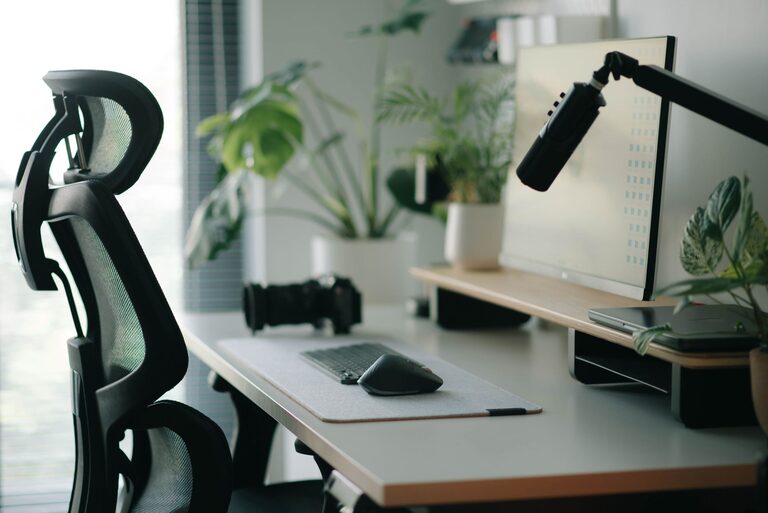
Creating an efficient and comfortable desk setup can make a significant difference in your daily productivity and overall wellbeing. Whether you work from home, study, or spend hours at a desk for any reason, optimizing your workspace to support focus and comfort is essential. In this guide, we’ll explore practical tips to design a desk setup that keeps you comfortable, reduces distractions, and helps you maintain concentration throughout the day.
Why a Thoughtful Desk Setup Matters
A well-organized and ergonomic desk setup supports good posture, minimizes fatigue, and creates an environment conducive to focus. When your workspace is cluttered or uncomfortable, it can lead to physical strain and mental distractions, lowering your efficiency and increasing stress.
Choose the Right Desk and Chair
Desk Selection
Start by selecting a desk that fits your available space and meets your needs.
– Size: Ensure the desk is large enough to hold your computer, essential tools, and some workspace for writing or other tasks.
– Height: If possible, look for desks with adjustable height or consider a sit-stand desk. This flexibility allows you to change positions during the day, which can reduce stiffness and boost circulation.
Chair Selection
A supportive chair is equally important.
– Ergonomics: Choose a chair with adjustable height, lumbar support, and comfortable padding.
– Mobility: A swivel chair with wheels can make it easier to reach different areas of your desk and move around without strain.
– Posture: Aim to sit with your feet flat on the floor, knees at a 90-degree angle, and your back supported.
Position Your Monitor Correctly
Your monitor’s placement plays a key role in eye comfort and neck health.
– Height: Position the top of the monitor screen at or slightly below eye level. This helps avoid bending your neck forward or backward.
– Distance: Keep the screen about an arm’s length away to reduce eye strain.
– Angle: Tilt the monitor slightly upward to maintain a natural line of sight.
If you use multiple monitors, arrange them at equal heights and close together to minimize neck movement.
Organize Your Desk for Reduced Clutter
A tidy desk helps clear your mind and reduce distractions.
– Essential items only: Keep frequently used items—like pens, notebooks, and your phone—within easy reach.
– Storage solutions: Use drawers, desk organizers, or shelves to store less frequently used items out of sight.
– Cable management: Use clips, ties, or cable sleeves to keep cords neat and prevent tangling.
Improve Lighting to Reduce Eye Strain
Proper lighting can reduce fatigue and improve focus.
– Natural light: Position your desk near a window if possible, to benefit from natural daylight.
– Task lighting: Use a desk lamp with adjustable brightness and direction to illuminate your workspace without glare.
– Avoid screen glare: Position your monitor so that windows or bright lights don’t create reflections on the screen.
Enhance Comfort with Accessories
Small additions can increase comfort and support long hours at your desk.
– Keyboard and Mouse: Choose ergonomic models to reduce strain on your wrists and hands. Place them close enough to avoid reaching.
– Wrist supports: Consider wrist pads or cushions if you type extensively.
– Footrest: If your feet don’t comfortably reach the floor, a footrest can improve posture and circulation.
– Plants or decor: Incorporate greenery or personal items to make the space more inviting and reduce stress.
Minimize Distractions
Your environment affects how well you can concentrate.
– Noise control: Use noise-canceling headphones, white noise machines, or soft background music to block out distractions.
– Clear boundaries: If you share space with others, set clear signals for when you should not be disturbed.
– Digital declutter: Organize your desktop and keep only necessary applications open.
Maintain Good Habits
Even the best desk setup benefits from healthy work habits.
– Take breaks: Stand, stretch, and take short walks every hour to reduce stiffness and refresh your mind.
– Stay hydrated: Keep a water bottle nearby to encourage regular hydration.
– Adjust as needed: Periodically review your setup and habits to ensure they continue to support your comfort and focus.
Conclusion
Creating a desk setup that combines comfort, ergonomics, and organization can significantly enhance your ability to focus and stay productive. By choosing the right furniture, optimizing monitor placement, managing clutter, improving lighting, and adopting good habits, you’ll build a workspace tailored to your needs. Take the time to customize your environment—it will pay off in better concentration, less discomfort, and a more enjoyable workday.
About the Author