Bringing a small herb garden indoors is a rewarding way to enjoy fresh flavors while brightening your living space. Whether you have a sunny windowsill or limited room, growing herbs inside is simple and satisfying. This guide will walk you through everything you need to know to start your own indoor herb garden, from choosing the right herbs to caring for them daily.
Why Grow Herbs Indoors?
Indoor herb gardening offers many benefits:
– Freshness: Harvest herbs anytime, ensuring maximum flavor in your meals.
– Convenience: Have your favorite herbs close at hand, no trips to the store needed.
– Decor: Green plants add a natural, vibrant touch to your kitchen or living area.
– Educational: Great for learning about plants and developing a green thumb.
Even beginners with little gardening experience can succeed indoors with the right approach.
Choosing the Right Herbs to Grow
Start by picking herbs that adapt well to indoor conditions. Some popular and easy options include:
– Basil: A favorite for cooking, especially in Italian dishes.
– Parsley: Versatile and nutritious, grows quickly.
– Mint: Fragrant and refreshing, but grows vigorously—best in its own pot.
– Chives: Mild onion flavor, great for garnishing.
– Thyme: Hardy and drought-resistant.
– Cilantro: Wonderful for Mexican and Asian recipes but prefers cooler temperatures.
– Oregano: Adds depth to many dishes and tolerates less frequent watering.
Select 3 to 5 herbs to start with, depending on your available space.
What You’ll Need to Start
Gather these basic supplies before planting:
– Containers: Pots with drainage holes are essential to prevent waterlogging. Small pots (4-6 inches) work well for most herbs.
– Potting mix: Use a quality, well-draining potting soil designed for indoor plants.
– Seeds or seedlings: You can start from seeds or buy young plants from a nursery.
– A sunny spot: Most herbs need at least 6 hours of sunlight each day. South-facing windows work best.
– Watering can: For gentle, precise watering.
– Labels: To keep track of each herb if planting multiple types.
Step-by-Step Guide to Planting Your Herb Garden
1. Prepare the Containers
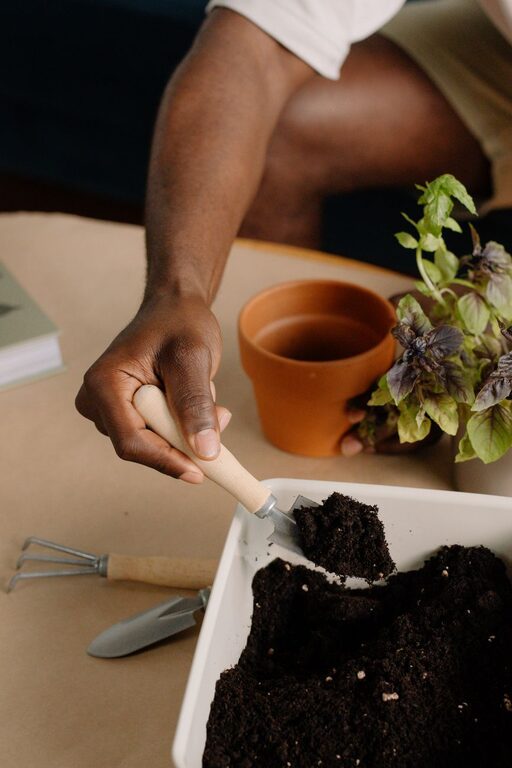
Fill each pot with potting mix, leaving about an inch at the top. Lightly moisten the soil before planting.
2. Plant the Seeds or Seedlings
– Seeds: Follow packet instructions for planting depth. Cover lightly with soil.
– Seedlings: Gently remove plants from their nursery pots and place them in your containers, filling soil around the roots. Press the soil gently but firmly.
3. Watering
Water immediately after planting to settle the soil. Keep the soil consistently moist but not soggy. Overwatering can cause root rot.
4. Positioning
Place your pots in the sunniest spot available. Rotate pots every few days to ensure even light exposure and prevent plants from leaning.
Caring for Your Indoor Herb Garden
Light
Herbs thrive in bright light. If natural sunlight is limited, consider supplementing with a grow light on a timer set for 12-16 hours daily.
Watering
Check soil moisture regularly by sticking your finger about an inch into the soil. Water when it feels dry to the touch. Avoid water pooling in the saucer beneath the pot.
Feeding
Feed herbs with a diluted, balanced liquid fertilizer every 4-6 weeks during the growing season. Follow label instructions carefully.
Pruning and Harvesting
Regular harvesting encourages healthy growth. Use scissors to snip herbs, taking no more than one-third of the plant at a time. Pinch back tips to promote bushier plants.
Pest Control
Watch for common indoor pests like aphids or spider mites. If pests appear, wipe leaves with a damp cloth or use insecticidal soap safe for edible plants.
Tips for Success
– Start small: Begin with a few easy herbs and expand your garden as you gain confidence.
– Good air circulation: Avoid overcrowding plants to reduce disease risks.
– Keep a routine: Consistent watering and attention make all the difference.
– Experiment: Try different herb varieties and discover your favorites.
Troubleshooting Common Issues
– Yellow leaves: Often caused by overwatering or poor drainage.
– Leggy growth: Insufficient light may cause weak, stretched plants.
– Wilting: Usually a sign of underwatering or root problems.
– No scent or flavor: Harvest herbs at the right time, usually before flowering, for the best taste.
Final Thoughts
Starting a small herb garden indoors is easier than you might think and brings both beauty and practicality to your home. With minimal investment and care, you can enjoy fresh herbs year-round, enhancing your cooking and giving you a rewarding hobby. Take your time, observe your plants, and enjoy the process of nurturing your indoor garden.
Happy gardening!
About the Author